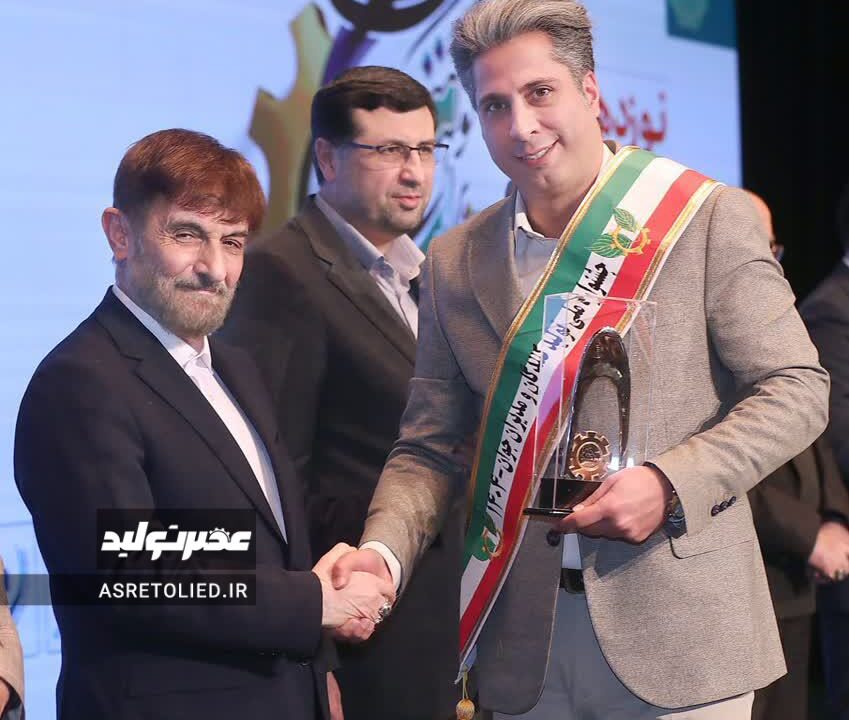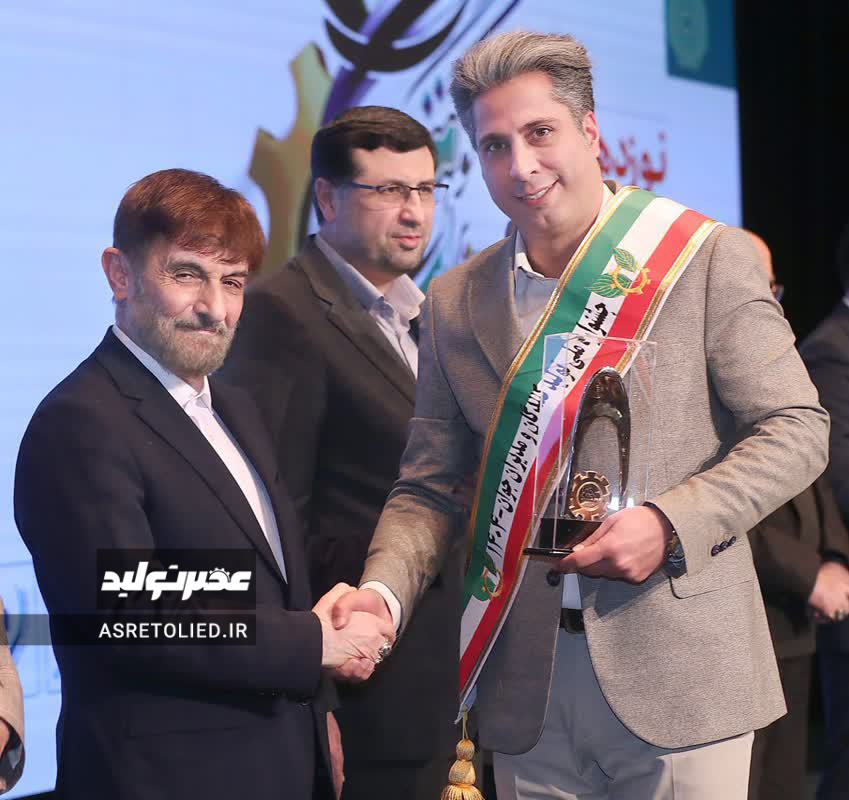


Amin Leather became the country's top industrial unit / A model of system building, innovation, export and resilience in Iranian industry
Hamed Lary, CEO of the Amin Leather Industrial Group, in an interview with the Asr Todil reporter, referred to the crises and serious threats to the natural leather industry in the country and announced the extensive measures of this group in the fields of innovation, exports, sustainable development, support for small producers, and interaction with universities to train specialized personnel.
Referring to the background of this collection, Lary stated: "The activity of the Amin Leather Industrial Group (Turkman) began in 1944 in the field of buying, selling and exporting salambour skins, and with the establishment of a factory in the city of Rey (1979) and its transfer to the Charmshahr Industrial Town of Tehran in 1991, this company has played a prominent role in the development of the country's leather industry."
Stating that Amin Leather is one of the largest producers of natural leather in Iran, he added: "With more than half a century of experience, this company has always been a leader in the production of leather for the bag and shoe, clothing, home furniture, and automotive industries, and has a distinguished position in the country in terms of circulation, quality, and variety of products."
Referring to the establishment of the OREZ clothing and fashion brand in 2017, Lary said: "In line with the development of the value chain, this brand has become one of the high-quality leather and clothing manufacturers in the country. Also, the Amin Home brand, focusing on interior design and leather products such as furniture and wall coverings, demonstrates another part of Amin Leather's capabilities."
Emphasizing the serious challenges facing the leather industry in recent years, such as energy imbalances, currency fluctuations, declining sales, and a shortage of skilled labor, he noted: "Genuine leather production in the country has decreased by about 30 percent over the past year, and many producers are in a semi-closed state."
However, Lary emphasized that Charm Amin, with a problem-oriented and national approach, has been able to turn threats into opportunities and achieve numerous achievements, including:
Moving towards a process-oriented and systematic approach to factory management for long-term competitiveness
Production of new products, including natural Palio, Marlo and special split leathers that were previously imported from Türkiye and China.
Innovation in products including vegetable leather, waterproof and scratch-resistant leather for walls and floors
Obtaining a research and development license to continue innovations
Financial support for small manufacturing workshops to maintain the production cycle and employment
Establishing systematic communication with government institutions and specialized associations to strengthen union solidarity.
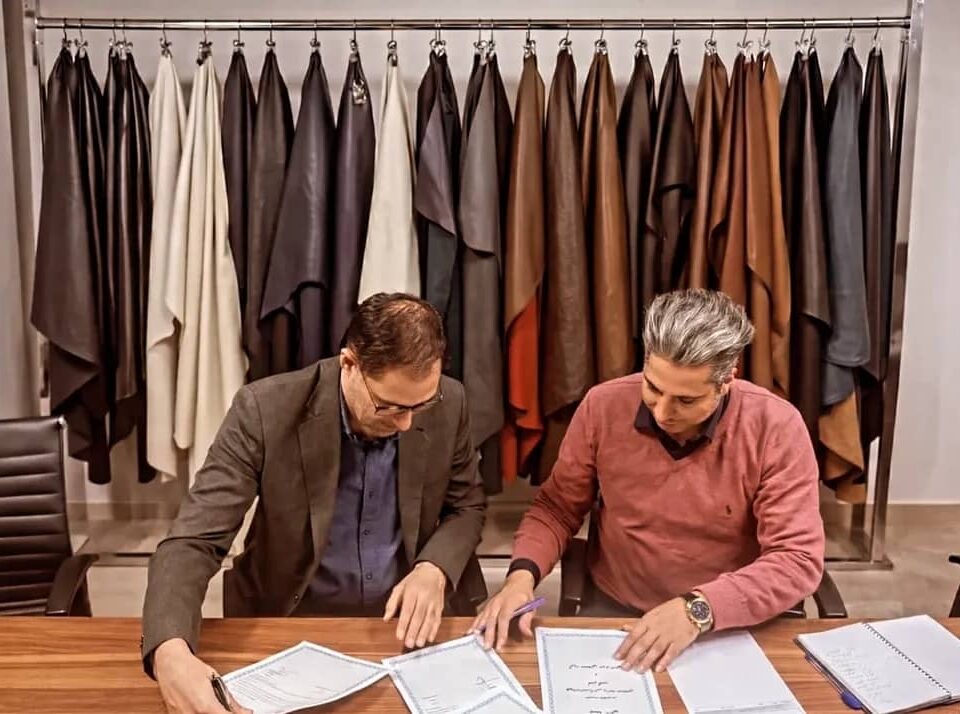
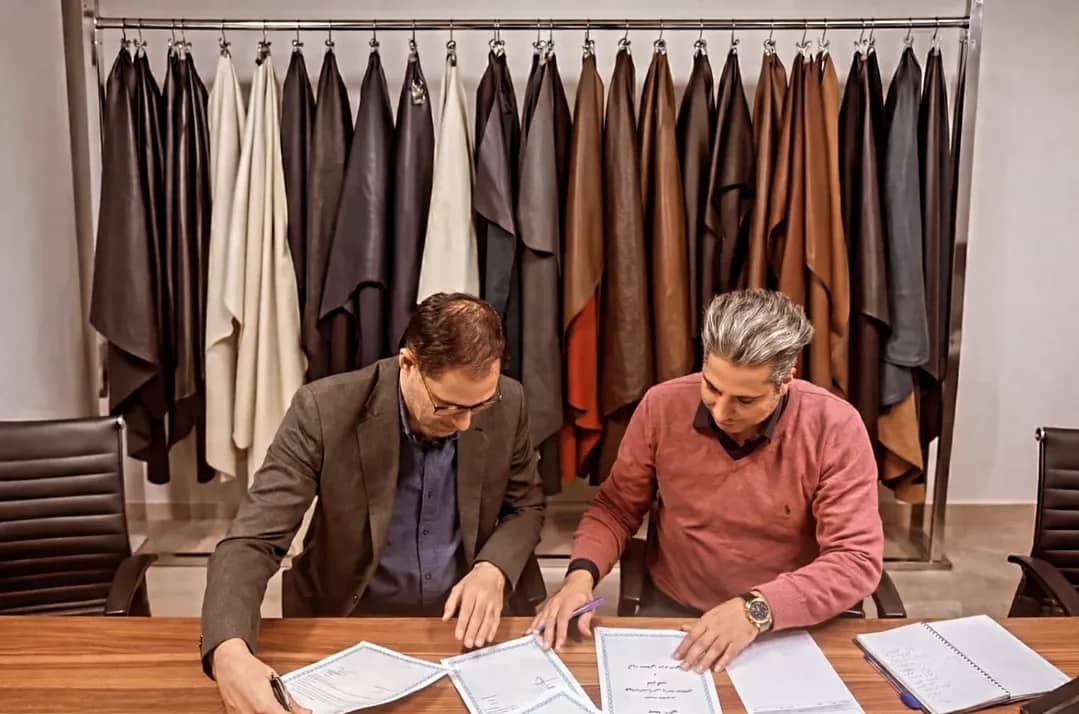
Aggreement with Amir kabir University to train specialists and establish an office in the Science and Technology Park
Environmental projects including chromium and sodium sulfide recovery and water consumption reduction
Focus on exports with significant results last year and prospects for development this year
Developing special designs for homes and offices with the "Gahan" brand based on Iranian authenticity and visual beauty
Implementing a lean and stretch production system to increase efficiency and quality
Increasing production capacity by updating machines according to global standards
A strategic vision for a developed future
To the use of Business Intelligence in controlling and analyzing process performance indicators
In conclusion, Lary emphasized the need for a strategic and forward-looking view of the industry in the country and stated:
"Industrial activity in Iran is always accompanied by challenges that impose additional pressure on managers, but these crises are also opportunities for innovation and growth. If we continue on the path with a compelling vision and smart management, achieving a developed and progressive Iran will not be far from reach."
From the heart of crisis, a path to growth emerges.
Twenty-two years of management experience has taught me that industrial activity in Iran has always been accompanied by serious and sometimes unpredictable challenges; challenges that impose constant pressure and stress on senior managers; pressure that is less experienced in developed or developing countries. However, these same crises have created valuable opportunities, and we have repeatedly witnessed the birth of successful companies from these instabilities.
Today, more than ever, we must look at the industry with a compelling, long-term, and strategic perspective and chart the path to the future with intelligent, realistic, and purposeful management. If such an approach prevails, our long-standing dream of transforming our beloved Iran into a developed and progressive country will not be out of reach.