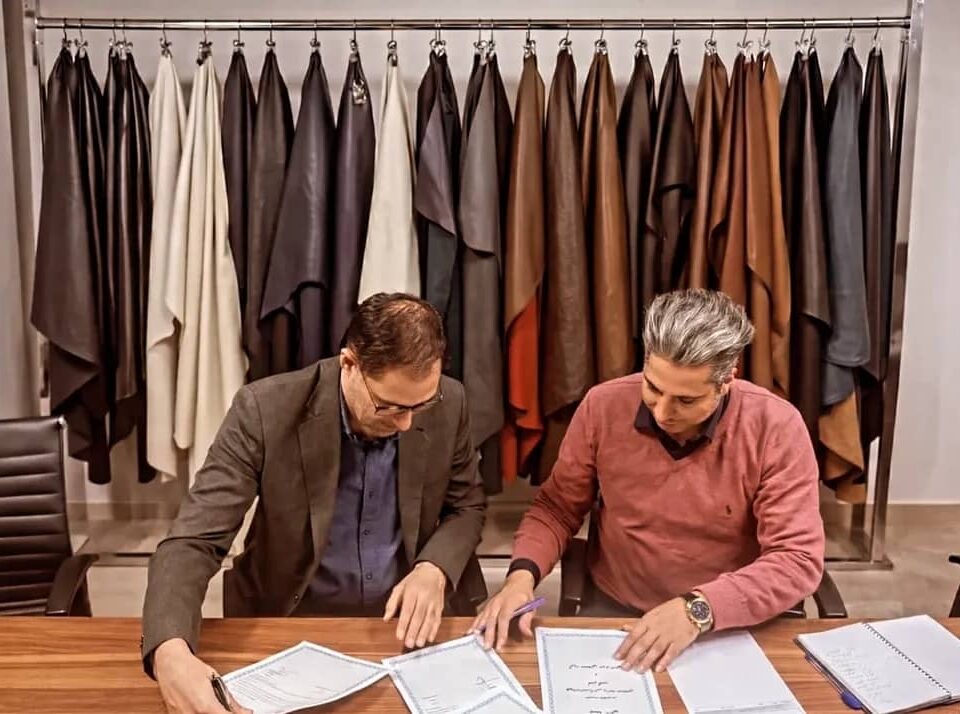


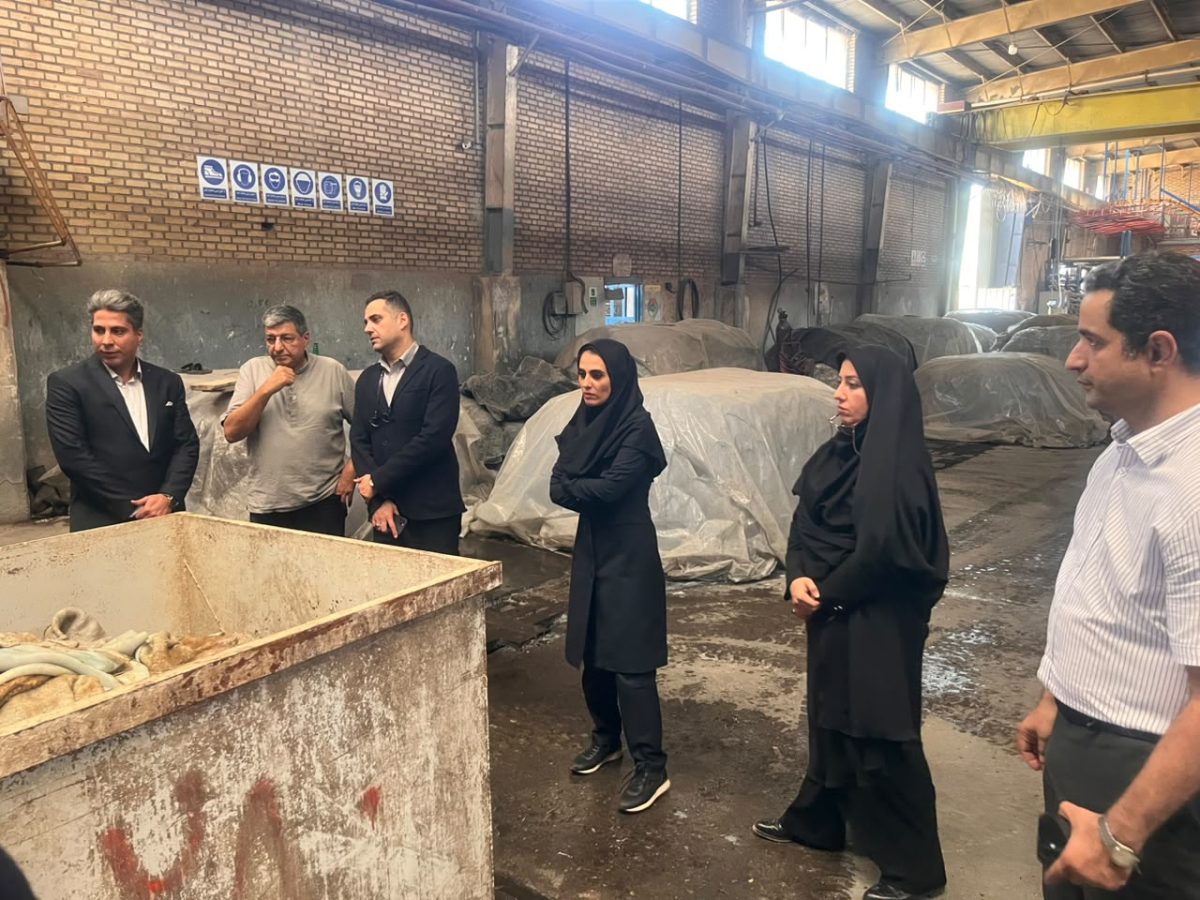
On Sunday, Mehr 12, 1405, Amin Leather Industrial Company hosted the Non-Metallic Industries Department of the Tehran Province Industry, Mining, and Trade Organization.
Visit by the Non-Metallic Industries Department of the Tehran Province Industry, Mining, and Trade Organization to the Amin Leather Factory
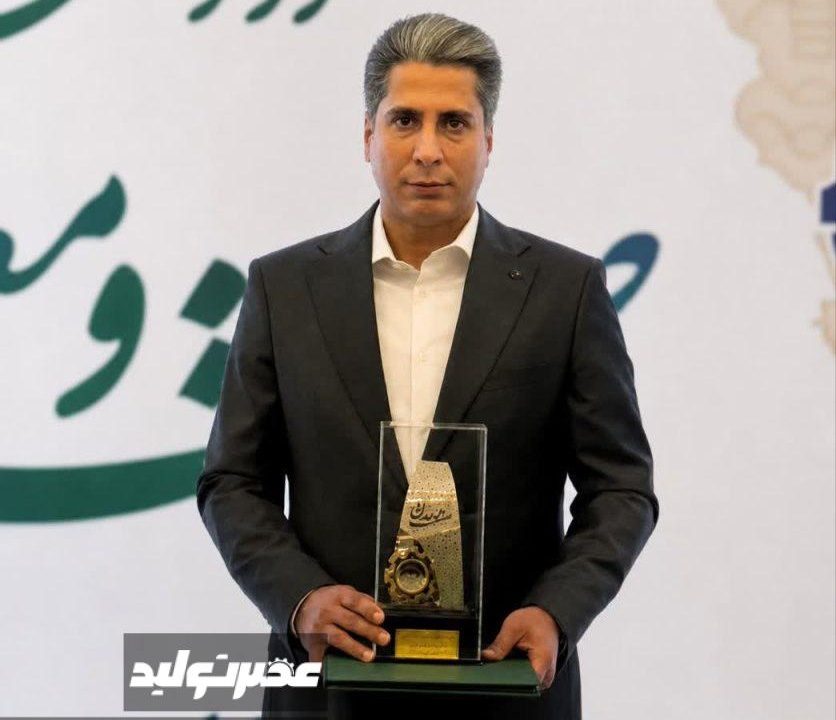
During this visit—attended by CEO Hamed Lari, Chairman of the Board Haj Akbar Torkaman, and Commercial Manager Mohammad Reza Ali-Khamseh of the Amin Leather Holding—the CEO outlined the company's trajectory over the past year. He highlighted key pillars of the organization's transformation, including management amidst uncertainty, the transition to a knowledge-based model, value chain development, the launch of the "Amin Home" brand, the utilization of data and business intelligence, and the implementation of process-based systems.
Overcoming Crisis: From Survival to Resilience
Noting that it is natural for an organization not to fully achieve all its objectives amidst challenging economic and environmental conditions, the CEO of Amin Leather Holding emphasized: "What matters is that we did not allow the crisis to dictate the organization's direction." Lari highlighted the distinction between "survival" and "resilience," stating: "Survival simply means the crisis ends and we remain in existence; true resilience, however, means navigating through the crisis and emerging as a stronger organization than before." Expressing optimism about the future of Iran's industry, he added: "This optimism does not imply ignoring the country's economic realities and challenges. For us, Iran is not merely a market; it is a historic responsibility."
Data-Based Decision-Making
The CEO of Amin Leather Holding went on to announce the development of IT infrastructure and increased utilization of Business Intelligence for performance monitoring, data analysis, and managerial decision support. He stated, "As an organization grows, decision-making must rely less on individual judgment and more on data, analysis, and actual performance indicators." Pointing to initiatives in the production sector, Lari added, "Enhancing product quality, increasing efficiency, and ensuring continuous improvement have been central to our operations. For us, quality is not a short-term project but an organizational culture that must be embedded within our processes, organizational behavior, supplier selection, production control, and managerial mindset."
Amin Leather; The first knowledge-based company in the field of natural leather production
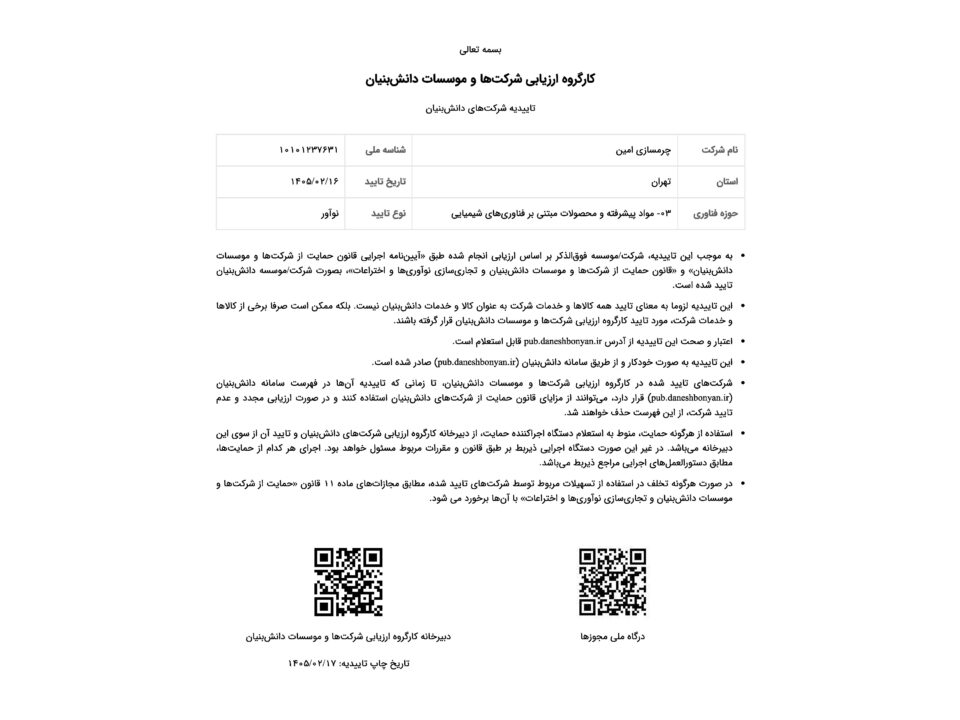
He cited the transformation of Amin Leather into the country's first knowledge-based company in the natural leather production sector as one of the organization's most significant achievements, stating: "For us, attaining 'knowledge-based' status is not merely about acquiring a title; rather, it demonstrates that even an industry with a centuries-old legacy can be redefined through engineering knowledge, research and development, technology, and innovation, thereby forging a new path for its future." Lari also highlighted the launch of the "Amin Home" brand as another key initiative undertaken by Amin Leather over the past year, adding: "This move was aimed at expanding the value chain and establishing a fresh connection between natural leather, design, architecture, and lifestyle." He emphasized: "An industrial enterprise should not limit itself solely to producing raw materials or industrial goods; instead, by advancing along the value chain, it can integrate its production knowledge and capabilities with design, finished products, branding, and the consumer experience."
System building to build a sustainable organization
Emphasizing the importance of establishing systems and a process-oriented approach at Amin Leather, he stated that if an organization relies solely on a few specific individuals to achieve optimal performance, it has not yet truly become an organization. A genuine organization takes shape when processes, responsibilities, authorities, and performance indicators are transparent, enabling the entity to continuously learn, improve, and grow. According to Lari, systematization should not be equated with increased bureaucracy; rather, an effective system should accelerate decision-making, clarify responsibilities, make performance measurable, and minimize the likelihood of errors. He added that the goal is for Amin Leather to evolve beyond merely becoming a larger factory, transforming instead into an organization that is smarter, more cohesive, more agile, and more competitive with each passing year.
The Amin Leather Industrial Group is the product of several generations of activity within Iran’s leather industry; consequently, our perspective on this sector is not merely commercial or short-term. We bear a responsibility to preserve and advance this expertise, generate added value, enhance quality, and build organizations and brands capable of representing Iranian industry in both domestic and international markets.
Reflecting on the group's experience over the past year, the CEO of Amin Leather Holding stated: "Difficult conditions may slow our pace, but we have not allowed them to alter our course."
Amin Leather – Amin Leather Working – Natural Leather – Deputy for Non-Metallic Industries, Tehran Province Department of Industry, Mining and Trade – Torkaman